Source Coal Mining PDC Cutter for Drilling, Excavation, and Tunneling
Compare 30 verified coal mining pdc cutter options from Chinese manufacturers. Buyers can evaluate specifications like size, material, and surface treatment to find suitable tools for drilling, excavation, and tunneling applications; compare the available evidence and request quotations based on your requirements.
Key considerations
Products List




Comprehensive Sourcing Guide
Coal Mining PDC Cutter Sourcing Guide
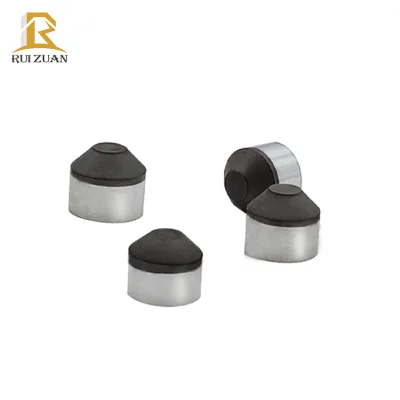
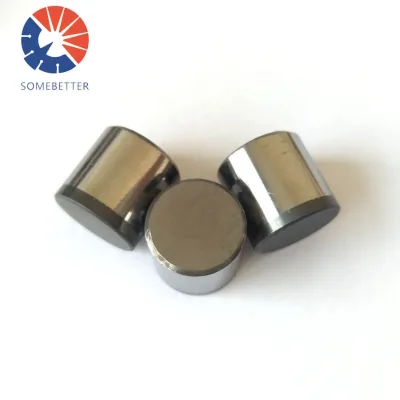
Procuring PDC cutters for coal mining operations requires a rigorous evaluation of material composition and manufacturing processes to ensure durability under high-stress conditions. Buyers must verify that the core cutter elements are constructed from tungsten carbide, a material explicitly observed in the supply data, which provides the necessary hardness for efficient rock penetration. The manufacturing process often involves forging, a technique noted in the product attributes that enhances the structural integrity of the alloy steel components used in the bit assembly.
Sourcing decisions should also account for the specific surface treatments applied to the cutters, such as spray-painting or polishing, which protect against corrosion and reduce friction during drilling. Since customization is widely available, buyers can specify dimensions like the 17 1/2" size or other custom measurements to match their drilling rigs. Understanding these material and process variables is essential before engaging with suppliers who offer these specialized tools for global markets.
Product Scope and Observed Listing Signals
The market for coal mining PDC cutters presents a diverse range of product models, including the F Series and specific LY series identifiers like LY294 and LY033, which indicate distinct design configurations. Listings often highlight the "H Hard Series" designation, suggesting a focus on high-wear resistance suitable for the abrasive nature of coal seams. Buyers should expect to see variations in packing, ranging from wooden boxes to standard exported packages, which reflects the need for robust protection during international transport by sea or air.
Price observations in the current market span a wide range from 2.5 to 2000 USD, reflecting differences in unit size, material quality, and order volume. The minimum order quantities (MOQ) vary significantly, starting from single units up to 100 pieces, allowing flexibility for both pilot projects and large-scale procurement. While some listings specify a weight of approximately 73 pieces per kilogram, others focus on specific diameter sizes like 8, 10, 13, 16, and 19 mm, requiring buyers to align their selection with precise operational requirements.
Technical Specifications to Verify
Technical verification must begin with the confirmation of the cutter's standard compliance, as some listings reference API standards while others cite specific manufacturer codes like G. L. X. Y. M. F. Buyers need to ensure that the product standard matches the operational pressure requirements, particularly for vacuum operation scenarios, to prevent premature failure in deep or complex mining environments. The size specifications are critical, with options ranging from standardized dimensions to fully customized measurements, necessitating a clear definition of the required diameter and length before finalizing an order.
The delivery time for these specialized tools typically ranges between 15 to 45 days, a factor that must be integrated into the overall project schedule and inventory planning. Transportation methods are generally flexible, offering sea, air, or road options depending on the urgency and destination of the shipment. Buyers should also verify the specific model numbers, such as LY192 or LY286, to ensure compatibility with existing drilling equipment and to confirm that the product is designed for the intended usage of coal mining rather than general PCB drilling.
Compliance and Safety Documentation
Safety and compliance in the mining sector demand rigorous documentation regarding the manufacturing origin and quality assurance processes. Most observed products originate from regions like Shandong, He Bei, or general China locations, where ISO 9001 certification for the manufacturing process is a common indicator of a structured quality management system. Buyers should request proof of this certification to ensure that the forging and surface treatment processes adhere to international standards for consistency and safety.
In addition to manufacturing certifications, the provision of video outgoing-inspection is a valuable feature that allows buyers to visually verify the condition of the cutters before shipment. This transparency helps mitigate risks associated with shipping heavy industrial components and ensures that the wooden case or box packaging is intact and secure. While specific test results are not always listed, the availability of these inspection videos serves as a critical proxy for quality control, giving buyers confidence in the physical state of the PDC cutters upon arrival.
Cost Drivers and Commercial Terms
The commercial terms for PDC cutters are heavily influenced by the customization level and the specific material composition, such as the use of alloy steel versus stainless steel or tungsten carbide. Customized orders often command different pricing structures compared to non-customized items, and the MOQ of 1 to 100 units allows buyers to manage cash flow by ordering smaller batches initially. The weight specifications, such as the 73 pieces per kilogram metric, also play a role in calculating freight costs, which can vary significantly based on the chosen transportation method of sea, air, or road.
Lead times of 15 to 45 days represent a significant portion of the total procurement cycle and must be factored into the budget for potential delays or expedited shipping costs. Buyers should negotiate clear terms regarding the delivery time to ensure that the supply chain remains uninterrupted during critical mining operations. The market is global, meaning that currency fluctuations and international shipping logistics can impact the final landed cost, making it essential to understand the full scope of commercial terms beyond the base unit price.
Supplier Qualification and Quality Control
Supplier qualification should prioritize manufacturers who demonstrate a clear capability in forging processes and offer video outgoing-inspection services to validate product quality. The presence of specific product models like the F Series or LY series indicates a specialized production line, which is preferable to generalist suppliers who may lack the depth of expertise required for high-performance PDC cutters. Buyers should verify the supplier's origin, such as Shandong or He Bei, as these regions are known for their industrial manufacturing capabilities in the steel and mining equipment sectors.
Quality control extends beyond the initial inspection to include the packaging standards, with wooden cases and boxes being the norm for protecting the cutters during transit. The availability of customization suggests that the supplier can adapt to specific operational needs, but this flexibility must be balanced with strict adherence to the stated standards and material specifications. Buyers should ensure that the supplier can consistently deliver products that meet the required hardness and durability standards, particularly for applications involving coal mining where equipment failure can be costly.
Long-Term Procurement Checks
Long-term procurement success relies on monitoring the service life and performance consistency of the PDC cutters over extended periods. The "Long Service Life" advantage is a key selling point observed in the listings, but buyers must validate this claim through field performance data and feedback from ongoing mining operations. Regular checks on the wear patterns and replacement frequency of the cutters will help determine if the initial investment in high-quality materials like tungsten carbide is delivering the expected return on investment.
Sustainability and supply chain reliability are also critical factors for long-term planning, especially given the 15 to 45-day lead times and the global nature of the market. Buyers should establish a relationship with suppliers who can provide consistent updates on production status and maintain a steady inventory of standard models like the LY series. By tracking the performance of different product models and standards, procurement teams can refine their specifications and ensure a continuous supply of reliable PDC cutters for their coal mining projects.
FAQs
What materials are used for coal mining PDC cutters?
Coal mining PDC cutters are typically manufactured from high-strength materials such as alloy steel, carbon steel, stainless steel, and tungsten carbide. These materials ensure durability and resistance to wear during drilling operations. The choice of material depends on specific application requirements and the hardness of the formation being drilled.
Can these PDC bits be customized for specific sizes?
Yes, customization is available for PDC bits to meet specific operational needs. Buyers can request customized sizes, such as 17 1/2 inches or other dimensions, to fit their drilling equipment. The manufacturing process often involves forging and surface treatments like spray-paint or polishing to enhance performance and longevity in various drilling conditions.
How long is the delivery time for PDC cutters?
The standard delivery time for PDC cutters ranges from 15 to 45 days. This timeframe allows for manufacturing, quality inspection, and preparation for shipment. Buyers should plan their procurement schedules accordingly to ensure timely arrival of the drilling tools, especially when ordering customized specifications or large quantities for immediate operational use.
What certifications do these PDC cutters have?
Many PDC cutters are produced under ISO 9001 certified manufacturing processes, ensuring consistent quality and reliability. This certification indicates that the manufacturer follows strict quality management standards throughout the production cycle. Buyers can rely on these certified products for safe and efficient drilling operations in coal mining and other industrial applications.
How are PDC cutters packaged for shipping?
PDC cutters are typically packaged in wooden boxes or standard exported packages to protect them during transit. Some items may also be packed in wooden cases for added security. This robust packaging ensures that the drilling tools arrive in optimal condition, ready for immediate installation and use in various drilling environments without damage.
What is the typical weight of a PDC cutter?
The weight of PDC cutters varies based on size and material, with some models weighing approximately 73 pieces per kilogram. Specific models may have standard weights like 45KG or 50KG for larger assemblies. Buyers should check the specific product specifications to determine the exact weight for their drilling requirements and logistical planning.